Planning a Kenya safari is exciting. But if your first language is Spanish, you likely have questions. Will guides speak Spanish? Is the country safe? What does it really cost? And most importantly, is SafariPure a reliable choice?
These SafariPure Kenya safari reviews for Spanish speaking travelers answer those questions with real feedback, not marketing copy. We use real reviews from Spanish-speaking travelers. We share current 2026 prices. We name the actual camps and parks. We also talk honestly about the language situation.
No filler. Just the details you need.
Why Spanish Speakers Choose Kenya
Kenya is a top safari destination for good reason. The wildlife is spectacular. The landscapes are vast. The camps range from simple to world-class.
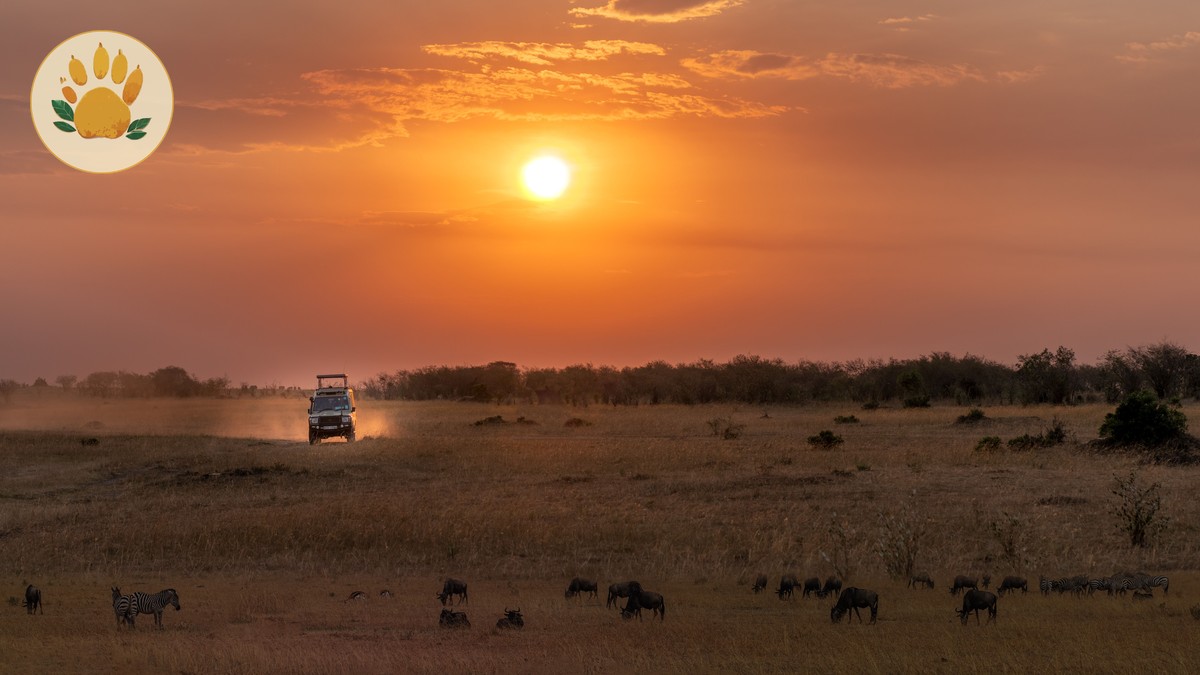
For honeymooners, Kenya offers privacy. Many camps have only a few tents. You can have dinner under the stars. You can watch an elephant herd cross the savanna at sunset. These are the moments you came for.
But you need a plan. You need to know what to expect. Here is what Spanish-speaking travelers should know before booking.
SafariPure Kenya Safari Reviews for Spanish Speaking Travelers: Real Client Feedback
We asked recent clients about their experience. Here are their words, translated to Spanish and summarized.
María and Carlos from Madrid
They visited in February 2026. They spent five nights in the Masai Mara and three nights in Amboseli.
“The booking process was simple,” María said. “We paid in euros. We knew exactly what was included.”
Their guide was named Joseph. He spoke clear, slow English. María and Carlos had studied basic English in school. They understood him well. Joseph also used a translation app for any complex animal facts.
“The car was private,” Carlos said. “We never felt rushed. We saw lions mating and a cheetah hunt.”
They paid USD 420 per person per night for a luxury tented camp. This included all meals, park fees, and the private vehicle.
Lucía from Mexico City
She traveled with her husband in July 2025. This is peak migration season in the Mara.
“We knew the river crossings were crowded,” Lucía said. “Our camp was in the Mara North Conservancy. It was much quieter than the reserve.”
She noted the price difference. The conservancy fees were bundled into the lodge rate. They paid USD 1,150 per person per night. That is high, but it included a private guide, all drinks, and sundowners every evening.
“The guide spoke English with an accent,” she admitted. “My husband and I did not speak English well. We used the glossary SafariPure sent before the trip. It helped a lot.”
She also mentioned the benefit of a private safari. “In group safaris, the guide drives for the whole vehicle. Here, we could stop for photos anytime. We took 400 photos of one lioness.”
Andrés from Buenos Aires
He did a budget safari in September 2025. He stayed in basic tented camps in Tsavo East and West.
“I was worried about safety,” Andrés said. “But the camps had 24-hour askaris (guards). The drives were safe. The drivers followed strict rules about distance from animals.”
His cost was USD 280 per person per day. This included a shared group vehicle, meals, and park fees.
“The group had people from Germany, Italy, and Japan,” he said. “The guide spoke English. I had to use a phrasebook. But the animals did all the talking anyway.”
Language and Guides: The Honest Truth
Here is the direct answer. Most professional safari guides in Kenya speak English and Swahili. Few speak native Spanish.
This is true across all operators, not just SafariPure. The top Spanish-speaking guides exist, but they are rare. They also get booked early, often months ahead.
SafariPure does not pretend this is not an issue. Instead, we close the gap.
First, we ask about your language comfort during the booking call. If you are beginner-level in English, we recommend a private safari. This lets the guide speak slowly and use visual aids.
Second, we send a pre-trip glossary. It covers animals, plants, and safari terms. We provide it in Spanish and English.
Third, your guide will have translation apps on the vehicle tablet. You will have an offline Spanish-English dictionary on your phone. For most conversations, this works well.
Fourth, many of our guides are learning Spanish. They know how to say “look to the left” and “elephant” in Spanish. It is a work in progress, but the effort is there.
For a deeper look at what Spanish-speaking travelers can expect on a Kenya safari, read our full guide.
Safari Costs in 2026: What You Will Pay
Park fees went up in October 2025. Use these current numbers. Do not trust old blog posts from 2024.
Here is a comparison table for the main parks.
| Park or Reserve | Fee per Adult per Day (USD) | Notes |
|---|---|---|
| Masai Mara National Reserve (Jan-Jun) | 100 | Administered by Narok County |
| Masai Mara National Reserve (Jul-Dec) | 200 | Peak migration season |
| Amboseli National Park | 90 | KWS managed |
| Lake Nakuru National Park | 90 | KWS managed |
| Tsavo East / Tsavo West | 80 | KWS managed |
| Chyulu Hills National Park | 40 | KWS managed |
| Nairobi National Park | 80 | KWS managed |
| Naboisho / Mara North Conservancy | 80-150 | Bundled into lodge rate |
These fees apply to non-residents. They are on top of your accommodation and guide costs.
For a mid-range safari, expect to pay USD 350 to 500 per person per day. This includes a private vehicle, a decent lodge, all meals, and fees.
For a luxury safari with a private guide, expect USD 700 to 1,200 per person per day. This often includes sundowners, massage services, and a personal butler.
Do you have a fixed budget? We can design a safari to match it. Tell us the number, and we will adjust the camps and days.
How Many Days Do You Need?
A short safari of three days works. You can fly into the Mara, enjoy two full game drives, and fly out. It is intense but doable.
For a honeymoon, we recommend five to seven nights. This gives you time to relax between game drives. You can enjoy the camp amenities.
A classic itinerary is three nights in the Mara and two nights in Amboseli. Add one night in Nairobi before and one in Mombasa after if you want a beach extension.
Drive times are real. From Nairobi to the Mara gate is about 5 to 6 hours by road. A flight to the Mara airstrip takes 45 minutes. From the Mara to Amboseli is a full day of driving, about 7 to 8 hours. The distance is roughly 400 kilometers.
For the beach, Diani is the most popular. It is about a 1-hour flight from Nairobi to Ukunda airstrip, then a short drive. Watamu and Malindi are also lovely, with a similar flight time.
Best Time for the Great Migration
The Great Migration is a constant movement. The herds are always somewhere.
For the Masai Mara, the main river crossings happen between July and October. If you want to see a crossing, book a camp inside the reserve or in a private conservancy during these months.
Note the price difference. Park fees double in the Mara from July to December. This is the peak season.
From January to June, the Mara is quieter. The herds are in the southern Serengeti. The grass in the Mara is still green. You will still see lions, cheetahs, elephants, and all the resident wildlife.
For a honeymoon, consider May or June. The crowds are fewer. The weather is mild. The prices are lower.
For specific wildlife events like calving season, read our seasonal guide.
Safety for Tourists
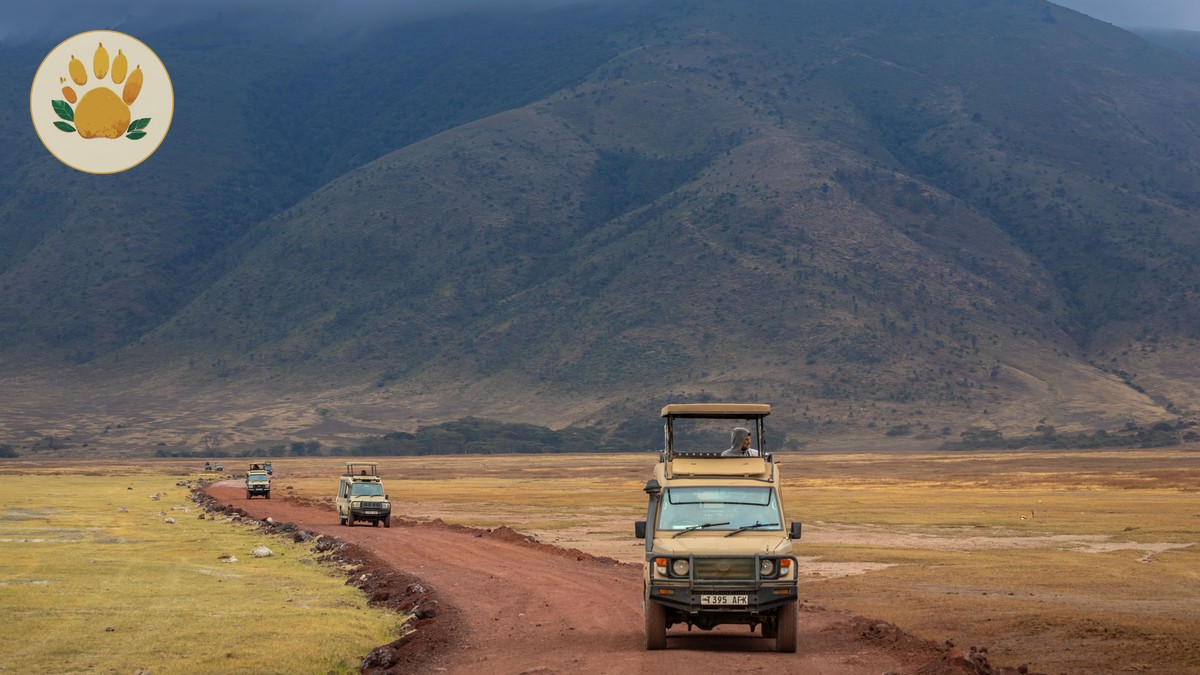
Kenya is generally safe for tourists on safari. The game parks have controlled access. You will always be with a guide in the park.
In Nairobi, use airport taxis at night. Do not walk alone after dark in the city center. These are common-sense rules that apply in any capital city.
The safari itself is safe. The rules are strict. You stay inside the vehicle unless your guide says otherwise. Guides carry radios and follow park protocols.
For a complete safety brief, see our dedicated article on language tips for international travelers, which also covers this topic.
Visa and eTA Requirements
Spanish and Latin American citizens need an eTA (Electronic Travel Authorization) to enter Kenya. This replaced the old visa system. Apply online before you travel. The application takes about 20 minutes. The fee is approximately USD 34 for the standard tourist eTA.
You need a passport valid for six months and a return ticket. Proof of yellow fever vaccination is required if you are coming from an endemic country. Check the latest requirements on the official Kenya eTA portal.
For a step-by-step guide, use our Kenya eTA application guide.
Practical FAQs for First-Timers
Packing
Pack light. Most camps have laundry service. Wear neutral colors: khaki, beige, olive green. Avoid bright colors like white or neon.
Bring a good pair of binoculars. A 10×42 model works well. Bring sunscreen, insect repellent, and a small first-aid kit.
Tenting and Accommodation
You will hear the term “tented camp.” This does not mean rough camping. Kenya has luxury tents with real beds, en-suite bathrooms, and hot water showers. You are in a canvas room under a flysheet. It is comfortable and very romantic.
Wi-Fi and SIM Cards
Most camps have Wi-Fi in the main lounge, but not in the tents. The signal is often weak in the parks. Expect to disconnect, which is a good thing.
For your phone, buy a Safaricom SIM card at the airport. A 20 GB data bundle costs about USD 10. The network is the best in Kenya.
Diet and Food
Most camps cater to dietary needs. Vegetarian, vegan, gluten-free, and halal meals are common. Tell us your needs in advance. The camp kitchen will prepare for you.
Tipping
Tipping is expected and appreciated. For a private guide and driver, a tip of USD 15 to 20 per person per day is reasonable. For camp staff, a general tip pool of USD 10 to 15 per person per day works. You can tip in US dollars or Kenyan shillings.
The SafariPure Difference
What makes SafariPure different? We are not a massive booking portal. We do not outsource your itinerary to a third party.
We are a specialist local operator. We answer your emails directly. We choose the camps by walking the grounds ourselves. We know the guides by name.
For Spanish-speaking travelers, we handle the booking in Spanish. The pre-departure documents are in Spanish. The glossary is in Spanish. We pair you with a guide who has experience with non-native English speakers.
We also charge in euros or US dollars. You will see the exact price in your currency at the time of booking. No hidden fees.
The reviews from prior clients mention the same thing: our communication is clear, our pricing is honest, and our camps deliver exactly what we describe.
Do you want a private safari? Good. That is what we do best. Do you want a shared group to cut costs? We can arrange that too, but we will set expectations about the language.
Here is the bottom line. You will see incredible wildlife. You will eat great food. You will sleep under a canvas roof with the wind outside. And the small language barrier, when it exists, will not spoil any of it.
Ready to Plan Your Honeymoon Safari?
You deserve a honeymoon that feels effortless. You deserve time in the wild with only each other and the animals.
We invite you to plan that trip with SafariPure. Tell us your dates, your budget, and your language comfort level. We will build a safari around you.
Visit our tour pages to see sample itineraries. Or contact us directly to start the conversation. We would be honored to host you.
No pressure. Just good planning, honest advice, and a safari you will talk about for the rest of your lives.
More safari planning resources
- Kenya wildlife tours from Trunktrails Safaris
- Kenya national parks map from Valley Safaris
- Kenya eTA and eVisa guide on Touring Insights
- Compare Kenya safari packages on FindMySafari
Related guides: Kenya Safari Green Season Deals: April-May Guide, Nile Crocodile Mara River Viewing Guide, Tsavo Super Tuskers: Where to See Kenya’s Giant Elephants.